Lake Tawakoni
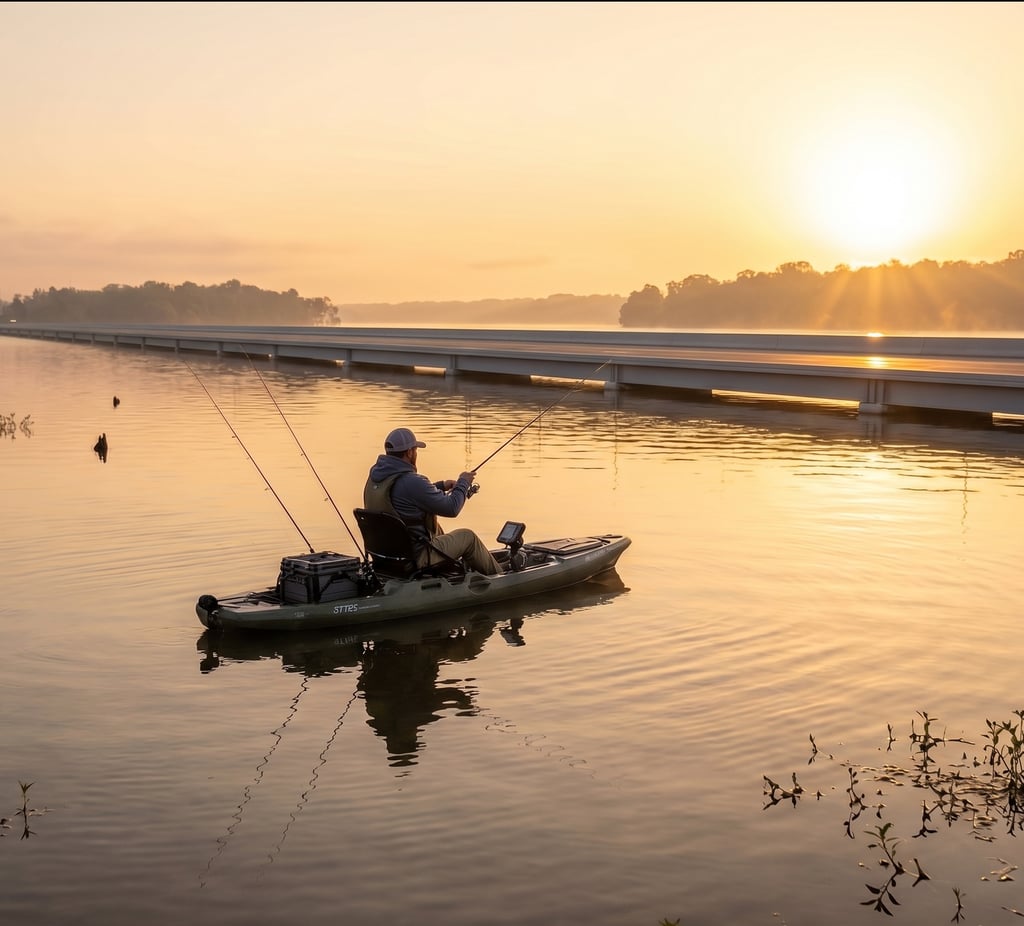
Lake Tawakoni is located in East Texas, roughly fifty miles east of Dallas, extending across portions of Hunt, Rains, and Van Zandt counties. Main access hubs encircle the lake near towns like Wills Point, Emory, and West Tawakoni. Created in 1960 by impounding the headwaters of the Sabine River at the Iron Bridge Dam, the massive reservoir covers roughly 37,870 surface acres and boasts around 200 miles of shoreline.
When it comes to national rankings, Lake Tawakoni is celebrated less as a traditional largemouth bass-exclusive fishery and more as a national titan for catfishing and open-water sportfish. It is widely regarded as one of the premier blue catfish waters in the United States and was officially designated as the Catfish Capital of Texas. National fishing outlets like Bassmaster and In-Fisherman consistently recognize Tawakoni as a top-tier destination for trophy blue catfish, hybrid striped bass, and white crappie.
In the Texas Parks and Wildlife Department’s Toyota ShareLunker Program, Lake Tawakoni earned a historic milestone in February 2025 when angler Clayton Braddock reeled in the lake's first official Legacy Class ShareLunker—a 13.30-pound giant caught on a medium-diving crankbait. This catch made Tawakoni the 79th public body of water in Texas history to yield a 13-plus-pound lunker to the selective breeding program. The current waterbody record for largemouth bass stands at 14.00 pounds, set by Warren Sprague in May 2018. In addition to its top-tier largemouth entries, anglers regularly submit bass weighing between 8 and 12 pounds into the lower Lunker and Elite tiers.
Beyond its largemouth bass performance, Lake Tawakoni is famous for producing massive fish across multiple species, holding records for an 87.5-pound blue catfish and an 88-pound flathead catfish. The reservoir plays a vital role as a primary municipal water supply for the City of Dallas and surrounding North Texas communities. On its southern shore sits Lake Tawakoni State Park, a popular 376-acre recreational area featuring oak woodlands, miles of trails, and camping. The park gained international headlines in the summer of 2007 when millions of social spiders constructed a giant, continuous web stretching nearly 200 yards along one of its nature trails, creating a rare natural spectacle.